Artificial intelligence (AI) and emerging technologies are no longer futuristic concepts—they are transforming industries, business models, and everyday life right now. From smarter machines to predictive algorithms and immersive digital experiences, 2026 promises breakthroughs that will redefine how we work, communicate, and interact with the world around us.
So, what can we expect from AI and future tech in the coming years? Let’s explore the trends, applications, and innovations shaping tomorrow.
1. AI Everywhere: Smarter, Faster, and More Human-Like
Why It Matters:
AI is moving from specialized tools to integrated systems that assist in everyday tasks, decision-making, and creativity.
What You Can Expect:
- Personal Assistants: AI will anticipate your needs, schedule tasks, and provide recommendations with remarkable accuracy.
- Predictive Analytics: Businesses will leverage AI to forecast trends, optimize operations, and make data-driven decisions.
- Creative Applications: AI-generated art, music, and writing will become more sophisticated, complementing human creativity rather than replacing it.
Bonus Tip:
AI models will increasingly understand context and emotions, making interactions more natural and personalized.
2. Robotics and Automation: Redefining Work and Industry
Why It Matters:
Automation isn’t just about manufacturing—it’s transforming logistics, healthcare, agriculture, and even household tasks.
What You Can Expect:
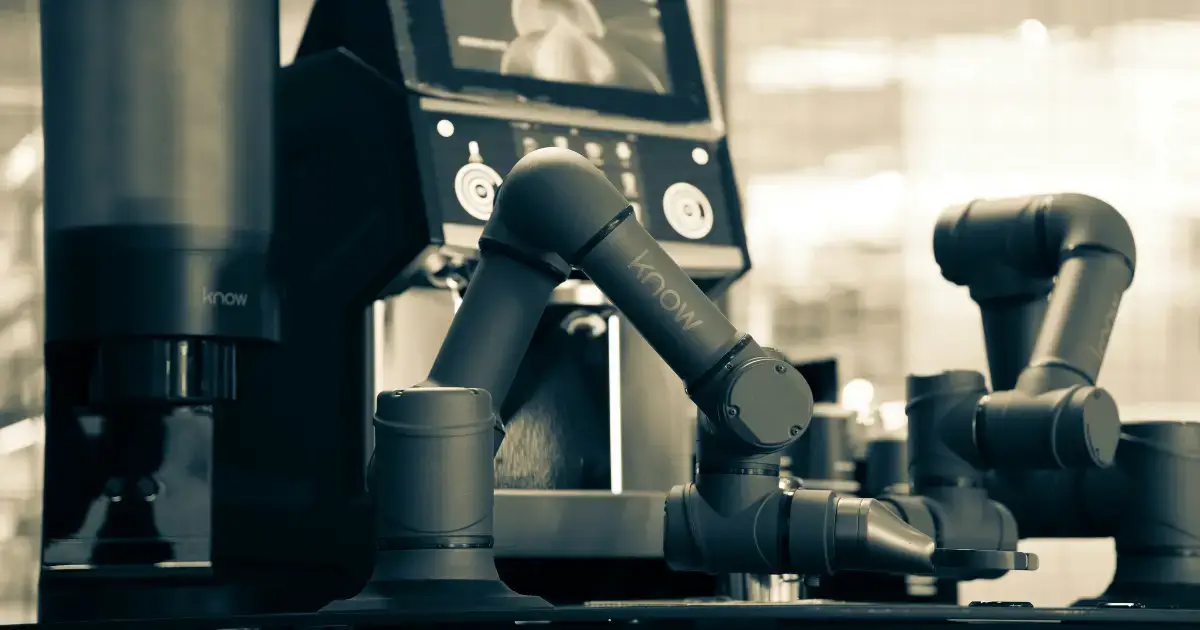
- Smart Factories: AI-powered robots will handle repetitive or dangerous tasks, improving productivity and safety.
- Healthcare Robotics: Surgical robots and automated diagnostics will assist doctors in delivering faster, more accurate care.
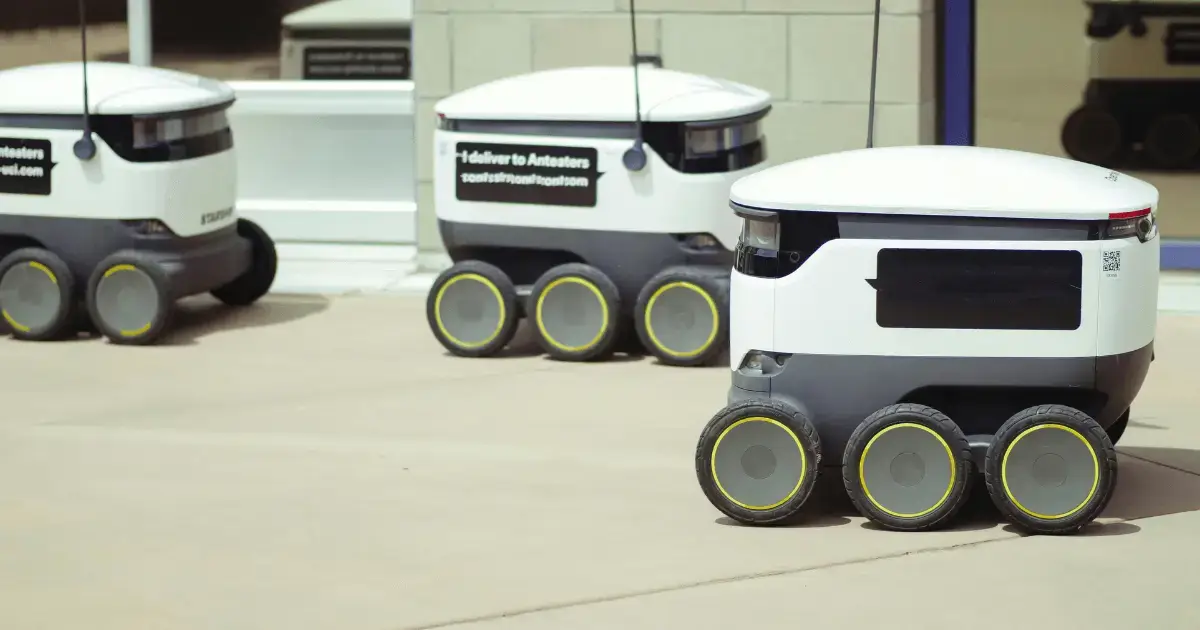
- Service Automation: From autonomous delivery drones to hotel and restaurant robots, everyday services will become more efficient and reliable.
Bonus Tip:
Automation will also create new job opportunities in AI supervision, maintenance, and ethical oversight, balancing efficiency with human oversight.
3. Extended Reality (AR & VR): Immersive Experiences
Why It Matters:
Augmented reality (AR) and virtual reality (VR) are moving beyond gaming and entertainment into education, work, and communication.
What You Can Expect:
- Virtual Collaboration: Remote teams will meet in fully immersive 3D environments, enhancing communication and productivity.
- AR in Daily Life: Navigation, shopping, and home design will be enhanced by interactive overlays in real-world environments.
- Immersive Learning: VR classrooms, medical simulations, and skill-training platforms will provide hands-on experiences without physical constraints.
Bonus Tip:
The combination of AR, VR, and AI will enable smarter, context-aware digital experiences tailored to individual users.
4. Quantum Computing: Unlocking Unprecedented Power
Why It Matters:
Quantum computing promises to solve problems beyond the reach of traditional computers, with applications in medicine, finance, logistics, and security.
What You Can Expect:
- Advanced Simulations: Modeling complex molecules for drug discovery and climate predictions.
- Optimized Systems: AI and machine learning will benefit from quantum speed, making real-time predictions faster and more accurate.
- Secure Communication: Quantum encryption could revolutionize cybersecurity by making certain types of attacks nearly impossible.
Bonus Tip:
While quantum computing is still emerging, its integration with AI and cloud platforms will accelerate practical applications in the near future.
5. AI Ethics and Regulation: Balancing Innovation and Responsibility
Why It Matters:
As AI grows more powerful, ethical and legal considerations are critical to ensure fair, safe, and responsible use.
What You Can Expect:
- Bias Detection: AI systems will be monitored to reduce discriminatory or biased outputs.
- Privacy and Data Protection: Regulations will guide how AI uses personal data, ensuring transparency and consent.
- Human Oversight: Critical AI decisions in healthcare, finance, and law will require human review to prevent errors or misuse.
Bonus Tip:
Stay informed about evolving AI policies, as these will shape how technologies are implemented and adopted globally.
6. Future Tech in Everyday Life: Smarter Homes and Cities
Why It Matters:
AI and emerging technologies are not limited to labs—they are increasingly embedded in our homes, workplaces, and cities.
What You Can Expect:
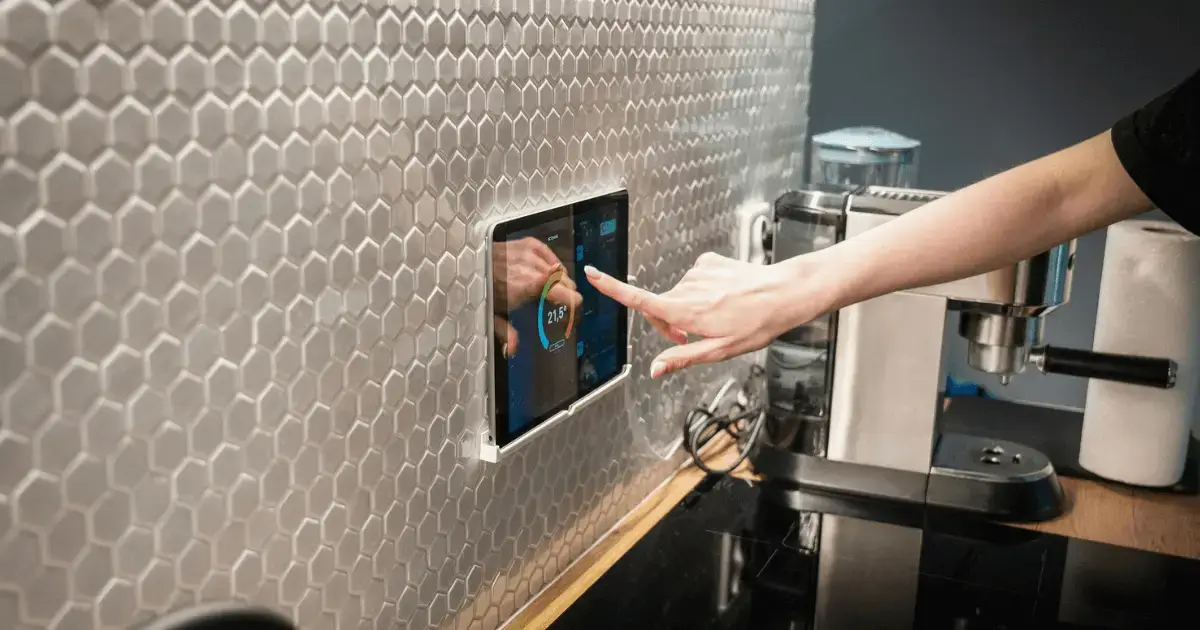
- Smart Homes: AI-driven appliances, security systems, and energy management tools will make life more convenient and efficient.
- Connected Cities: Traffic management, energy grids, and public safety systems will use AI to optimize resources and improve urban living.
- Personalized Experiences: From shopping recommendations to healthcare monitoring, AI will anticipate needs and deliver tailored solutions.
Bonus Tip:
Look for interoperability between devices and platforms—AI works best when all your tools can communicate seamlessly.
Conclusion
AI and future tech in 2026 are driving a world that is faster, smarter, and more interconnected. From automation and robotics to immersive AR/VR experiences and quantum computing, these technologies are reshaping industries, enhancing creativity, and improving daily life.
While the potential is immense, responsible adoption, ethical considerations, and continuous learning are essential to ensure AI and emerging tech benefit everyone. The future is here, and AI is at the heart of it, transforming how we live, work, and interact with the world.