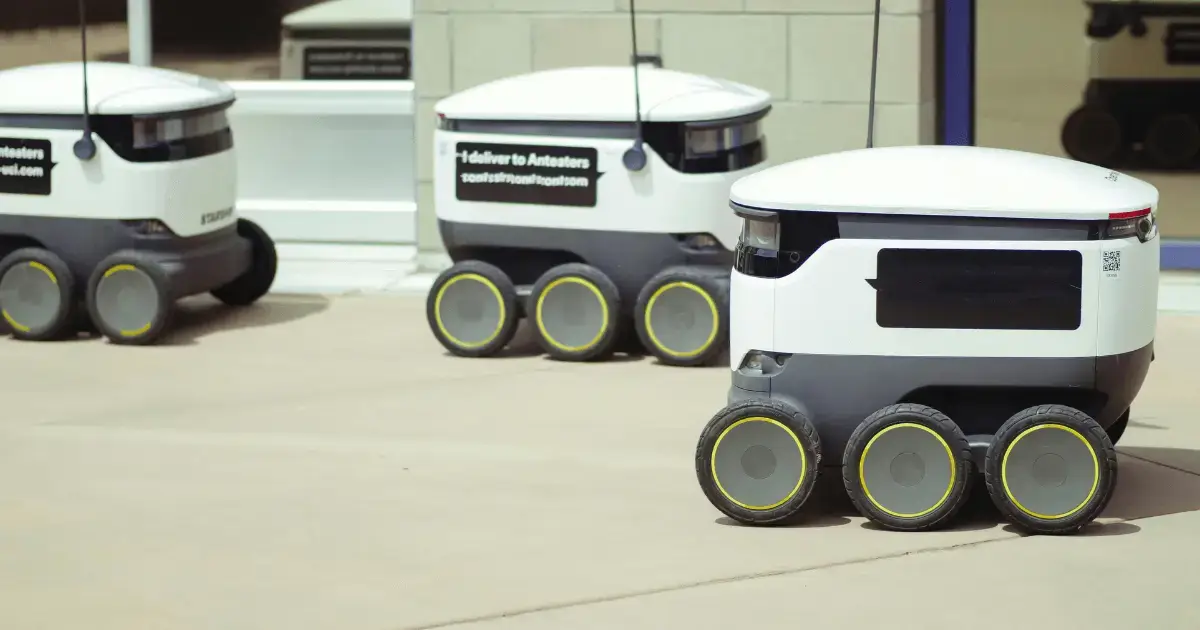
In the not-so-distant past, artificial intelligence (AI) seemed like a distant concept from the world of sci-fi movies and futuristic fiction. But fast forward to 2025, and AI is no longer just a concept—it’s a driving force reshaping our daily lives. From the devices we use to the decisions we make, AI is quietly but profoundly transforming our routines.
In this article, we’ll explore how AI is impacting everyday life in 2025, revolutionizing everything from home automation to healthcare, entertainment, and even how we work.
1. AI in Smart Homes: Making Everyday Tasks Effortless
One of the most noticeable ways AI has infiltrated daily life is through smart homes. These homes are powered by a combination of AI, Internet of Things (IoT) devices, and machine learning algorithms. But how exactly is AI improving the way we live at home?
Voice Assistants: More Than Just Convenience
Voice assistants like Amazon Alexa, Google Assistant, and Apple Siri have been around for a while, but by 2025, they’ll have evolved into even more sophisticated systems. These AI-powered assistants don’t just turn on the lights or play music anymore—they anticipate our needs.
- Predictive Actions: AI-powered voice assistants now track your habits and adjust settings accordingly. For example, if you usually turn off the lights and adjust the thermostat at night, your AI assistant will learn this pattern and do it automatically.
- Enhanced Communication: With better natural language processing, voice assistants in 2025 can hold more fluid conversations. They understand context, humor, and even regional dialects, making them more human-like in interaction.
AI in Home Security
Home security is another area where AI is making a massive impact. Smart security systems like Ring and Nest now integrate AI-powered surveillance. These systems can:
- Recognize Faces: AI cameras can differentiate between family members, friends, and strangers, sending alerts only for unusual activities.
- Detect Motion Patterns: AI can detect subtle changes in movement, helping prevent potential break-ins before they happen.
In 2025, AI doesn’t just react to security concerns; it proactively anticipates them.
2. AI in Healthcare: Revolutionizing Medical Care
AI’s influence in healthcare is already significant, but by 2025, it’s poised to change the way we access, experience, and receive healthcare.
Personalized Healthcare
In the past, medical treatment often followed a one-size-fits-all approach. But AI is making healthcare far more personalized:
- AI Diagnostics: AI systems can analyze medical images with incredible precision, helping doctors detect diseases like cancer earlier. These tools often provide quicker, more accurate results than human doctors alone. AI also assists in predictive healthcare, analyzing personal data (from wearables, for example) to foresee potential health issues before they arise.
- Tailored Treatments: AI is helping doctors craft treatments that are custom-tailored to individuals based on their genetics, lifestyle, and other factors. This level of personalized care was previously impossible.
Virtual Health Assistants
By 2025, AI-powered virtual assistants will become your personal healthcare companion. These virtual assistants can:
- Monitor Chronic Conditions: AI tools are capable of tracking health metrics and advising on lifestyle changes to manage conditions like diabetes or hypertension. They can send alerts if your blood pressure spikes or if your medication schedule needs adjusting.
- Telemedicine: AI is also helping virtual doctors provide better remote consultations by analyzing symptoms, medical histories, and other patient data in real time.
AI’s role in healthcare isn’t just about innovation—it’s about improving lives through accessible, accurate, and personalized care.
3. AI in Transportation: Making Travel Smarter and Safer
Transportation is another area where AI is significantly impacting our daily lives. In 2025, AI is playing a key role in how we get from one place to another, whether we’re commuting to work, going on vacation, or simply taking a trip around the city.
Autonomous Vehicles
Self-driving cars are no longer the stuff of science fiction. By 2025, autonomous vehicles (AVs) are expected to be fully integrated into everyday life, offering a safe and convenient mode of transportation.
- AI-Powered Navigation: Autonomous cars use AI to navigate roads, avoid obstacles, and respond to real-time traffic conditions. Thanks to continuous learning, these vehicles become smarter with every mile driven, improving over time.
- Safety: AVs are equipped with advanced AI systems that analyze vast amounts of data (including road conditions, weather, and pedestrian movement) to make split-second decisions, reducing accidents caused by human error.
AI in Public Transportation
In addition to personal vehicles, AI is transforming public transportation by making it smarter and more efficient:
- Real-Time Data: AI-driven systems help optimize routes and schedules in real-time. Buses, trains, and subways can adjust to demand, reducing waiting times and congestion.
- AI for Traffic Management: AI is also being used to manage traffic more effectively. AI algorithms can control traffic lights, reduce congestion, and improve overall traffic flow.
Whether we’re driving ourselves or using public transport, AI is making travel more efficient and safer in 2025.
4. AI in Entertainment: Personalizing Your Digital World
Entertainment is an area where AI’s influence is becoming more visible and impactful. In 2025, AI is transforming the way we consume content, from movies and music to video games.
AI-Driven Content Recommendations
Services like Netflix, Spotify, and YouTube already use AI to recommend content based on your preferences. By 2025, these algorithms will have become even more sophisticated:
- Hyper-Personalized Recommendations: AI algorithms can analyze not only your viewing or listening habits but also your mood, time of day, and even weather patterns. This allows them to recommend content that feels almost tailor-made for you.
- Dynamic Content Creation: AI can create content in real-time based on user preferences, allowing for a more immersive and personalized experience.
AI in Gaming
AI is also making waves in the world of video games:
- Adaptive Gameplay: In 2025, AI is used to create more adaptive and responsive game environments. The AI can change the storyline based on how players interact with the game, providing a truly unique experience for every gamer.
- Enhanced NPCs: Non-player characters (NPCs) are becoming much smarter, reacting to players in more realistic and complex ways.
AI isn’t just shaping how we watch or play—it’s enhancing the overall entertainment experience.
5. AI in the Workplace: Redefining Jobs and Productivity
While AI has been revolutionizing industries for years, by 2025, its impact in the workplace will be undeniable. Automation and AI-powered tools are not just augmenting the work we do; they are transforming the very nature of many jobs.
AI in Productivity Tools
In 2025, office productivity is at an all-time high, thanks to AI tools that help professionals:
- Automate Repetitive Tasks: AI tools can handle mundane tasks like scheduling meetings, sorting emails, or managing projects. This allows employees to focus on higher-value activities.
- AI-Powered Research: AI tools can quickly analyze vast amounts of data, helping employees find relevant information, insights, and trends without spending hours searching through documents.
AI in Job Creation
While there are concerns about AI replacing jobs, the truth is that AI is also creating new roles. Jobs related to AI programming, machine learning, data analysis, and ethical AI development are on the rise, providing new opportunities for skilled workers.
6. AI Ethics and Challenges: Balancing Progress and Responsibility
With all the benefits AI brings, there are challenges and ethical concerns that must be addressed.
Privacy and Data Security
AI systems rely on massive amounts of data to function, and this raises concerns about data privacy and security. By 2025, governments and companies are expected to implement stronger regulations to protect users’ data while still allowing AI systems to thrive.
Bias and Fairness
AI systems are only as good as the data they’re trained on, and biased data can lead to biased outcomes. In 2025, more emphasis is being placed on ethical AI development to ensure fairness and avoid discrimination in AI applications, especially in sensitive areas like hiring, healthcare, and law enforcement.
Conclusion: A Future Shaped by AI
As we’ve seen, AI is no longer a futuristic idea—it’s an integral part of our daily lives in 2025. Whether in the form of smart homes, healthcare innovations, transportation solutions, or entertainment experiences, AI is improving efficiency, safety, and convenience in ways we never thought possible.
However, as AI continues to evolve, we must also be mindful of its challenges, including data privacy, security, and fairness. By balancing progress with responsibility, AI can continue to transform our world for the better.
As we look toward the future, one thing is clear: AI will continue to shape the way we live, work, and interact with the world around us—and in 2025, that future is already here.