Robotics has come a long way since the first industrial robots appeared on factory floors in the 1960s. What once seemed like a futuristic concept is now a vital part of many industries, including manufacturing, healthcare, agriculture, and even our daily lives. As we enter 2025, we’re witnessing a revolution in robotics that’s making machines not only smarter and faster but also more human-like in their capabilities.
In this article, we’ll explore the future of robotics and discuss how advancements in artificial intelligence (AI), machine learning, and human-robot interaction are pushing the boundaries of what robots can do. Get ready to discover how robots will become an even more integral part of society and the exciting possibilities they bring.

1. Smarter Robots with AI and Machine Learning
Why It Matters:
One of the most significant developments in robotics is the integration of artificial intelligence (AI) and machine learning. These technologies enable robots to learn from their experiences, adapt to new environments, and make decisions independently, making them much smarter than their predecessors.
What You Can Expect:
- Self-Learning Capabilities: In the future, robots will be able to learn from their surroundings and improve their performance over time without needing constant human intervention. For example, robots in manufacturing could identify inefficiencies in their processes and automatically make adjustments to optimize workflows.
- Advanced Problem-Solving: AI-powered robots will be able to solve complex problems in real time, from predicting maintenance needs in machines to navigating complex environments like search-and-rescue missions or autonomous driving.
- Personalization and Customization: With machine learning, robots will be able to tailor their actions based on individual preferences and behaviors. This is particularly relevant in industries like healthcare, where robots could assist patients in ways that are specifically designed for their needs.
Bonus Tip:
As AI continues to evolve, robots will be capable of predictive analytics, allowing them to anticipate issues before they occur and take proactive actions to mitigate them.
2. Faster, More Efficient Robots in Industry
Why It Matters:
The need for speed and efficiency is a primary driving force behind the development of robots in industrial sectors. As robotics technology advances, robots will become faster, more precise, and more capable of completing tasks in less time.
What You Can Expect:
- Enhanced Speed in Manufacturing: Robots will be able to perform tasks at speeds far beyond human capacity. In manufacturing, this means faster assembly lines, quicker production times, and more products made per day. For example, robotic arms in automotive production are already reducing the time it takes to assemble vehicles.
- Collaborative Robots (Cobots): Cobots, which work alongside humans on production lines, will become even more efficient. These robots are designed to assist human workers by performing repetitive tasks or lifting heavy items, enabling workers to focus on more complex tasks.
- 24/7 Operations: Unlike humans, robots don’t need breaks, which means industries will be able to run operations continuously, optimizing productivity and reducing downtime.
Bonus Tip:
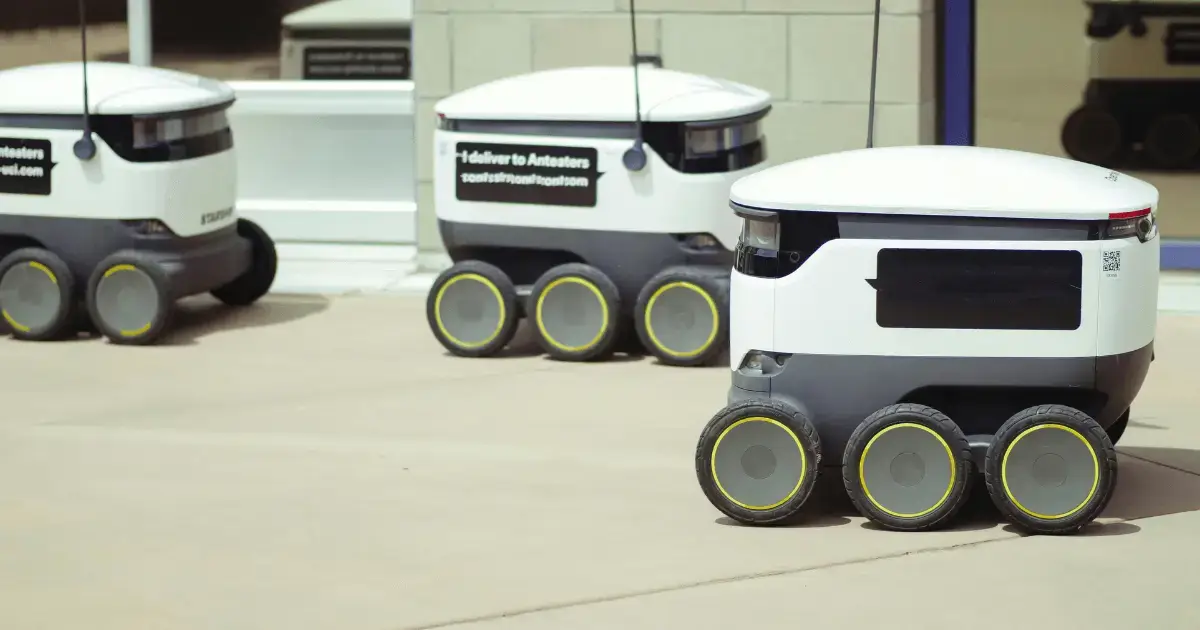
Faster robots will also help improve supply chain efficiency, with autonomous delivery robots and drones revolutionizing the way products are moved from warehouses to customers.
3. Human-Like Interaction with Robots
Why It Matters:
While robots have traditionally been designed to perform tasks in isolation, the future of robotics is increasingly focused on making robots more interactive and human-like in their behavior. This will enable robots to better assist humans in a variety of contexts, from caregiving to customer service.
What You Can Expect:
- Emotionally Intelligent Robots: The integration of affective computing will allow robots to recognize and respond to human emotions. Whether it’s providing comfort to elderly individuals in healthcare settings or detecting stress in a work environment, robots will become more attuned to human feelings and reactions.
- Natural Language Processing (NLP): With advancements in NLP, robots will be able to understand and engage in more natural, fluid conversations. This will make them more effective in customer service roles, helping people with everything from tech support to booking appointments.
- Human-Robot Collaboration: In workplaces, robots will be able to work alongside humans, understanding body language and gestures, and adjusting their actions accordingly. This collaboration will lead to greater efficiency in tasks that require both human creativity and robotic precision.
Bonus Tip:
As robots become more human-like, we’ll also see significant advancements in human-robot empathy, making them ideal for roles in therapy, education, and eldercare.
4. Robots in Healthcare: Revolutionizing Patient Care
Why It Matters:
The healthcare sector stands to benefit immensely from the rise of more advanced robots. In 2025, we are on the cusp of seeing robots that can provide not only physical support but also emotional and cognitive assistance to patients, making healthcare more efficient and accessible.
What You Can Expect:
- Surgical Robots: Robotic surgery is already transforming healthcare, but with further advancements, robots will become even more precise and capable of performing highly complex procedures with minimal human intervention. Robotic-assisted surgeries can reduce recovery times, minimize scarring, and improve patient outcomes.
- Robotic Caregivers: Robots will play a vital role in elderly care, assisting with mobility, providing reminders for medication, and even offering companionship. These robots will help reduce the burden on caregivers and provide support for patients in need of constant attention.
- Telepresence Robots: With the rise of remote healthcare services, robots will be used to enable doctors to interact with patients from a distance. These robots can serve as mobile units for doctors, allowing them to consult patients in real-time, even from different locations.
Bonus Tip:
AI-driven robots will also help with diagnostic tools, quickly analyzing medical data such as X-rays and lab results, reducing the time it takes to diagnose and treat patients.
5. Robots in Daily Life: Personal Assistants and Beyond
Why It Matters:
In the future, robots won’t just be confined to industrial or healthcare settings—they’ll become part of our daily lives. Whether it’s at home, in the office, or on the go, robots will increasingly assist with tasks, enhance productivity, and improve convenience.
What You Can Expect:
- Personal Robots: Imagine a robot that can help with household chores, provide real-time information, or even offer personalized advice. Robots will act as personal assistants, handling everything from meal preparation to cleaning, shopping, and more.
- Autonomous Vehicles: Robots will also play a key role in the development of self-driving cars, providing safer, more efficient transportation options for individuals and goods.
- Smart Cities: In the broader context of smart cities, robots will help with everything from urban planning and waste management to traffic control and emergency response.
Bonus Tip:
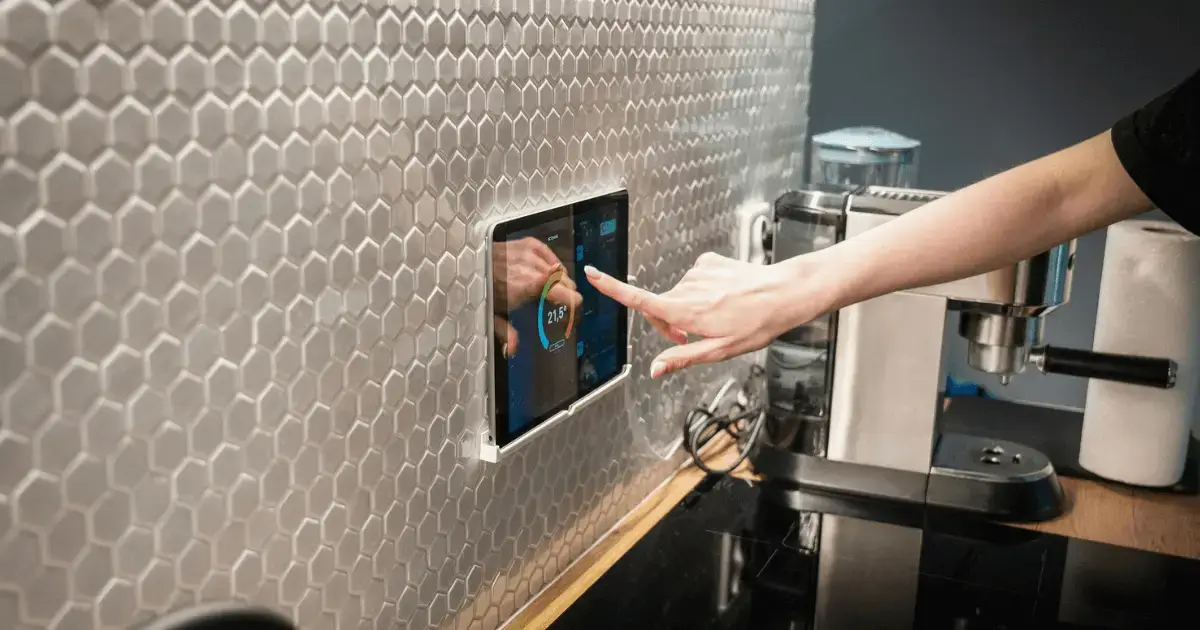
With the rise of smart homes, robots will integrate seamlessly with IoT (Internet of Things) devices, creating a fully connected and automated environment for users.
6. Ethical and Societal Implications of Robotics
Why It Matters:
As robots become more advanced, we must address important ethical and societal questions. How will robots impact jobs? How can we ensure they are used safely and ethically? What role will robots play in our social fabric?
What You Can Expect:
- Job Displacement vs. Job Creation: While robots may replace some manual and repetitive jobs, they will also create new opportunities in robotics engineering, AI development, and other tech sectors.
- Robot Ethics: There will be increasing conversations about the ethical treatment of robots, especially those with advanced AI and human-like qualities. How will we ensure they are used for good, and how will we regulate their development?
- Human-Robot Relationships: As robots become more integrated into our daily lives, we will need to explore the dynamics of human-robot relationships, especially as robots become more involved in caregiving, teaching, and emotional support.
Bonus Tip:
Policy and regulation will play a significant role in ensuring the responsible development and deployment of robots, ensuring they enhance society without infringing on privacy or safety.
Conclusion
The future of robotics is exciting, filled with possibilities that were once thought to be far off in the distant future. As robots become smarter, faster, and more human-like, they will revolutionize industries, improve the quality of life, and provide solutions to challenges we face in healthcare, manufacturing, and everyday living. However, with these advancements come important ethical and societal considerations that must be addressed.
In 2025 and beyond, we can expect robots to become an integral part of our world—working alongside us to make life easier, more efficient, and more connected. The rise of robotics is truly a new era of possibilities, and we are only scratching the surface of what’s to come.