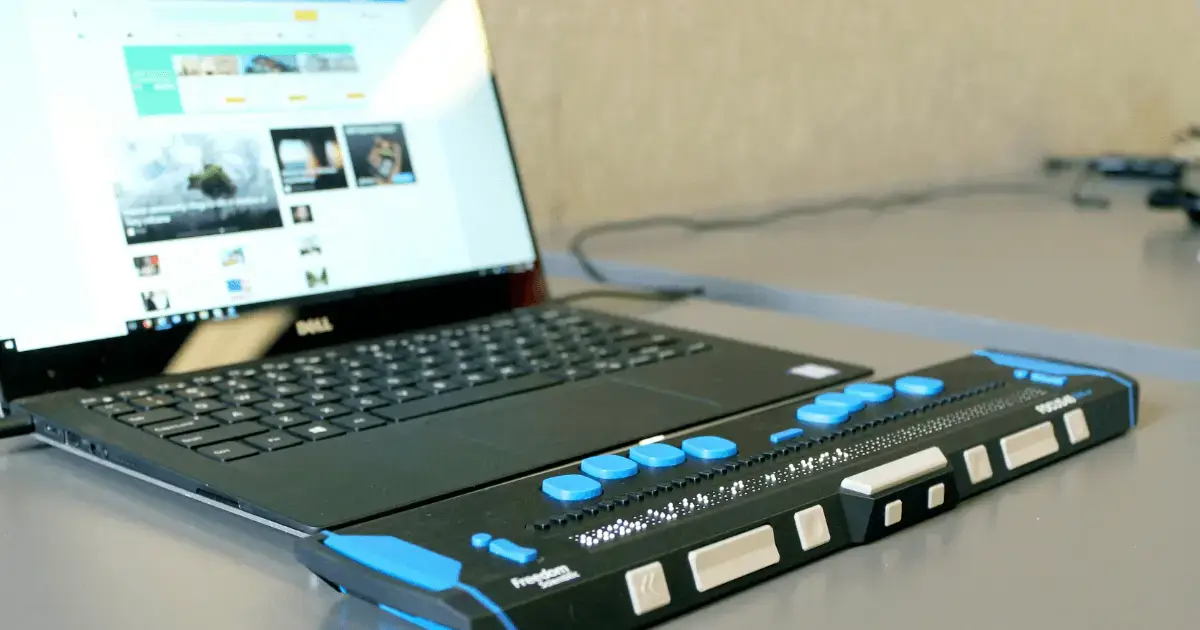
Software and apps are evolving faster than ever, transforming the way we work, communicate, and entertain ourselves. From AI-powered productivity tools to immersive mobile experiences, 2026 promises to bring software innovations that will redefine everyday life. Developers and businesses are exploring smarter, faster, and more personalized solutions to meet the demands of users in an increasingly digital world.
So, what can we expect from software and apps this year? Let’s dive into the trends and technologies shaping the future.
1. AI-Powered Applications: Smarter Than Ever
Why It Matters:
Artificial intelligence is no longer just a buzzword—it’s becoming a standard feature in apps and software. From automating mundane tasks to providing intelligent insights, AI is making software more responsive and personalized.
What You Can Expect:
- Personalized Experiences: Apps will analyze user behavior to provide tailored suggestions, smarter notifications, and context-aware features, enhancing productivity and engagement.
- Automation: Routine tasks like scheduling, email sorting, or data entry will be handled by AI, freeing up time for users to focus on more important work.
- Enhanced Creativity: AI-assisted design, coding, and content creation tools will allow users to produce high-quality results faster, whether for marketing, programming, or social media.
Bonus Tip:
AI-driven apps will increasingly integrate across devices and platforms, making it seamless to move from mobile to desktop or cloud-based environments without losing continuity.
2. Cloud-Based Software: Anywhere, Anytime
Why It Matters:
Cloud computing has already changed the way we store and access data, but in 2026, cloud-based software will become even more integral to business operations and daily life.
What You Can Expect:
- Real-Time Collaboration: Teams will collaborate on documents, spreadsheets, and projects in real time, no matter where they are located, with seamless syncing across devices.
- Scalability: Businesses can quickly scale software usage up or down based on demand, reducing costs and improving efficiency.
- Data Security: Advanced encryption and cloud security protocols will ensure sensitive information remains protected while accessible.
Bonus Tip:
Expect cloud-based apps to support offline functionality more effectively, allowing users to continue working even without a stable internet connection.
3. Mobile-First Experiences: Optimized for On-the-Go Users
Why It Matters:
With smartphones and tablets dominating internet usage, software developers are focusing on mobile-first design, ensuring apps are intuitive, fast, and responsive on smaller screens.
What You Can Expect:
- Seamless Navigation: Improved UI/UX design will make apps easier to use, with gestures, voice commands, and AI assistants enhancing usability.
- Offline Features: Mobile apps will increasingly offer offline access, syncing data automatically when connectivity is restored.
- Enhanced Multimedia: High-resolution videos, AR experiences, and interactive elements will run smoothly, even on mid-range devices.
Bonus Tip:
Progressive Web Apps (PWAs) will blur the line between websites and apps, offering near-native performance without needing large downloads.
4. Integration & Interoperability: Software That Works Together
Why It Matters:
As users adopt multiple apps and platforms, interoperability becomes crucial. Software that can seamlessly integrate with other tools saves time, improves efficiency, and enhances productivity.
What You Can Expect:
- API-Driven Ecosystems: Apps will use APIs to connect with other platforms, allowing smooth data transfer and automation across software suites.
- Unified Workflows: Users can manage projects, emails, calendars, and analytics from a single interface, reducing the need to switch between apps.
- Cross-Platform Support: Whether on desktop, tablet, or mobile, software will maintain consistent performance and features.
Bonus Tip:
Integration with AI assistants and IoT devices will enable smarter notifications and automated actions across multiple platforms.
5. Security & Privacy: A Top Priority
Why It Matters:
With growing reliance on digital tools, protecting user data is critical. Security and privacy will remain at the forefront of software development in 2026.
What You Can Expect:
- End-to-End Encryption: Communication and file-sharing apps will offer stronger encryption standards to protect sensitive information.
- User Control: Privacy settings will become more transparent, giving users more control over how their data is collected and shared.
- Threat Detection: AI-driven security software will identify and prevent attacks in real time, keeping apps and devices safer than ever.
Bonus Tip:
Expect multi-factor authentication and biometric verification to become standard, even for everyday software and apps.
6. Emerging Technologies: AR, VR, and Beyond
Why It Matters:
The line between software and reality is blurring with augmented reality (AR) and virtual reality (VR) applications. In 2026, immersive experiences will expand from gaming to education, healthcare, and business.
What You Can Expect:
- Immersive Learning: AR and VR apps will enable interactive training, simulations, and educational content.
- Virtual Collaboration: Remote teams will use VR spaces for meetings, presentations, and brainstorming sessions.
- Next-Level Entertainment: Apps will offer interactive AR content, mixed-reality games, and immersive media experiences.
Bonus Tip:
AR-enabled mobile apps will also transform shopping, navigation, and social media, making the virtual and physical world interact seamlessly.
Conclusion
Software and apps in 2026 will be faster, smarter, and more connected than ever. AI, cloud computing, mobile-first design, and immersive technologies will reshape the way we interact with digital tools, whether for work, learning, or entertainment. As developers innovate and integrate these trends, users can expect more seamless, secure, and personalized experiences that adapt to their needs and lifestyles.
The future of software and apps is not just about technology—it’s about making everyday life more efficient, creative, and engaging.